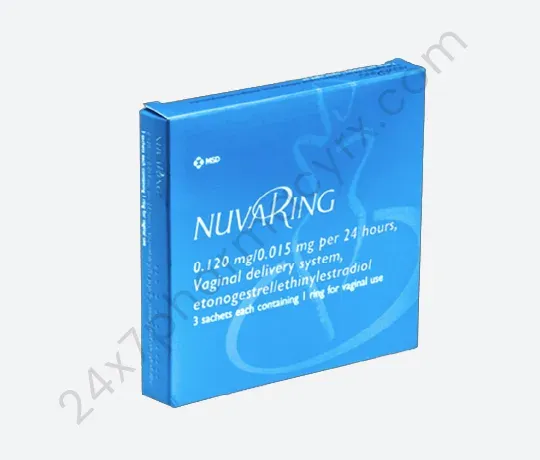

Contraception
For overall reproductive health, contraception is a vital concept for women, especially those looking to prevent an unintended pregnancy. There are hormonal and non-hormonal birth control options available. Some offer short-term and others, long-term protection against a pregnancy taking place. Then there are irreversible contraception options too, but those are usually surgical.
...
For overall reproductive health, contraception is a vital concept for women, especially those looking to prevent an unintended pregnancy. There are hormonal and non-hormonal birth control options available. Some offer short-term and others, long-term protection against a pregnancy taking place. Then there are irreversible contraception options too, but those are usually surgical.
How Do Birth Control Products Work?
A non-invasive contraception method disrupts the possibility of pregnancy by suppressing ovulation. Since ovaries do not release mature eggs, the sperm does not cause fertilization. The product may also restrict sperm reaching the uterus by thickening the cervical mucus. Lastly, it may alter the endometrial lining and cause withdrawal bleeding to avoid implantation.
Which Hormones Are Present in Contraceptives?
The common hormones used in birth control vaginal rings (NuvaRing) and contraceptive pills are synthetic estrogen (ethinyl estradiol) and a progestin (such as etonogestrel, norelgestromin, or levonorgestrel). While birth control pills need to be taken daily or at regular intervals, a single NuvaRing vaginal ring for contraception itself is effective once worn for up to 3 weeks.
What Are Long-Acting Reversible Contraception (LARC)?
Options like vaginal rings, skin implants, intrauterine devices, skin patches, birth control shots, etc. offer long-term protection against a pregnancy – from several weeks to years (invasive and up to 10 years).
What Are Regular Birth Control and Emergency Contraception?
A regular contraceptive prevents a pregnancy but needs to be taken before unprotected intercourse as per dosage guidelines. However, an emergency contraceptive is taken usually within 3 to 5 days after an unprotected intercourse to trigger shedding of endometrial lining – undoing the risk of getting pregnant.
How Does Contraception Benefit Menstrual Cycle?
Beyond protecting you from conceiving, a hormonal contraceptive can manage menstrual cycles – solving heavy or irregular periods. It may reduce menstrual cramps, unwanted hair growth and acne related to hormonal imbalance, as well as lower the risk of endometrial and ovarian cancers.